5 reasons why audiology clinics are switching to PC-based audiometers
Standalone audiometers have been a trusted part of audiology for decades. They are reliable, familiar, and continue to serve many clinics well.
But as hearing care becomes increasingly connected, many clinicians are finding that the bottleneck is no longer the test itself. Instead, it's everything that happens before and after testing: managing patient data, creating reports, software integration, and maintaining consistency across clinicians and locations.
As a result, more clinics are rethinking whether a standalone audiometer still supports the way they want to work – and if not, whether it’s time to transition to a PC-based audiometer such as the Equinox Evo.
If you're considering your next audiometer investment, here are five reasons why clinics are switching to PC-based systems.
1. Streamline the entire workflow – not just the test
Both standalone and PC-based audiometers can deliver accurate hearing assessments. The real difference lies in how efficiently you move from test to documentation, reporting, and counseling.
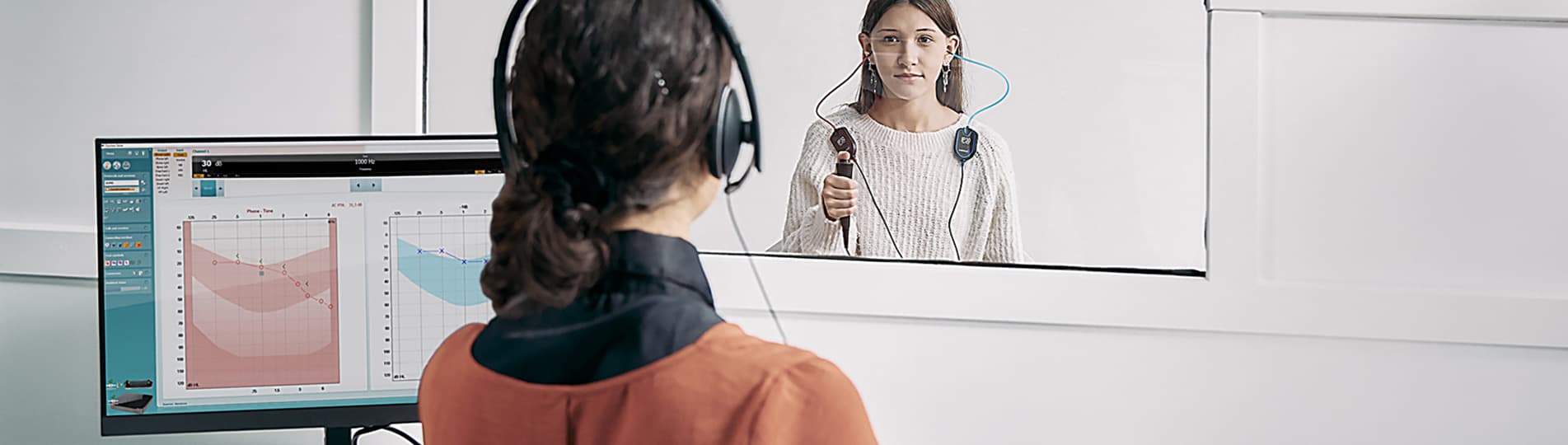
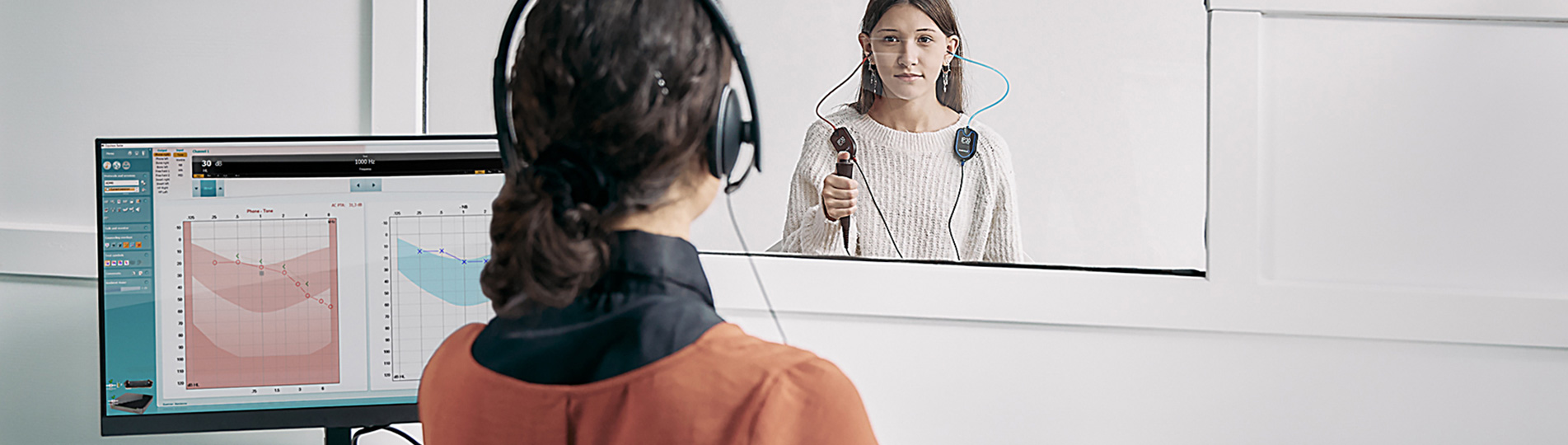
While standalone audiometers focus on measurement, PC-based systems connect the entire patient journey. Audiometric data is automatically stored within your database (such as OtoAccess®) and immediately available throughout the workflow, from reporting and counseling to hearing aid fitting.
Rather than moving information between devices, software platforms, or paper records, you can access patient data from a single connected environment. The result is a faster workflow with fewer repetitive administrative tasks and fewer opportunities for transcription or documentation errors.
The operational benefits of a connected workflow extend beyond data management. They also help clinicians move more efficiently through day-to-day assessments. One clinician who has experienced these benefits firsthand is Melanie Dowling, Pediatric Audiologist at Newcastle Hearing Centre for Children, who recently switched to the PC-based Equinox Evo audiometer:

“Before upgrading to the Equinox Evo, we were using older systems that didn’t offer the streamlined adaptability our service needed. The Equinox Evo integrates and adapts seamlessly with our workflow, transitioning intuitively between assessment modes as needed.” – Melanie Dowling, Pediatric Audiologist at Newcastle Hearing Centre for Children.
Read more: Customer story: Equinox Evo is an essential part of delivering diagnostic care
2. Deliver consistent quality across clinicians and clinics
As clinics grow, maintaining consistent testing quality becomes increasingly important. Whether you have one clinician or one hundred, patients expect the same high standard of care regardless of who performs the appointment.

“Hospitals often need systems that can communicate with other systems and be integrated. Larger clinic chains may also need management tools so leadership can monitor clinics and see how things are performing. That kind of integration can be very important depending on the setting.” – Cecilie Naru, Audiologist and Product Manager at Interacoustics.
PC-based systems can help support this consistency through standardized workflows, integrated protocols, and centralized quality monitoring tools.
For example, the audiometry and real-ear measurement (REM) Quality Assurance Indicators, which are the available with the Affinity Compact, Callisto™, and Equinox Evo* audiometers from Interacoustics, help you to mandate your testing quality throughout your stores, and your customers will be receiving the same high-quality treatment wherever they seek help from your brand.
*REM not available with Equinox Evo.
3. Keep pace with evolving clinical needs
New test methods, counseling approaches, and evidence-based practices continue to shape modern hearing care. The challenge for clinics is to ensure their equipment can evolve alongside them.
Because PC-based audiometers are software-driven, they can continue to expand through new features, workflows, and clinical tools without requiring clinicians to learn an entirely new platform.
A practical example is the Audible Contrast Threshold (ACT™) test, which was introduced through Interacoustics' PC-based ecosystem and provides valuable information about hearing-in-noise difficulties without requiring speech-language specific materials.
Read more: 8 reasons why you should include ACT™ in your clinical test battery
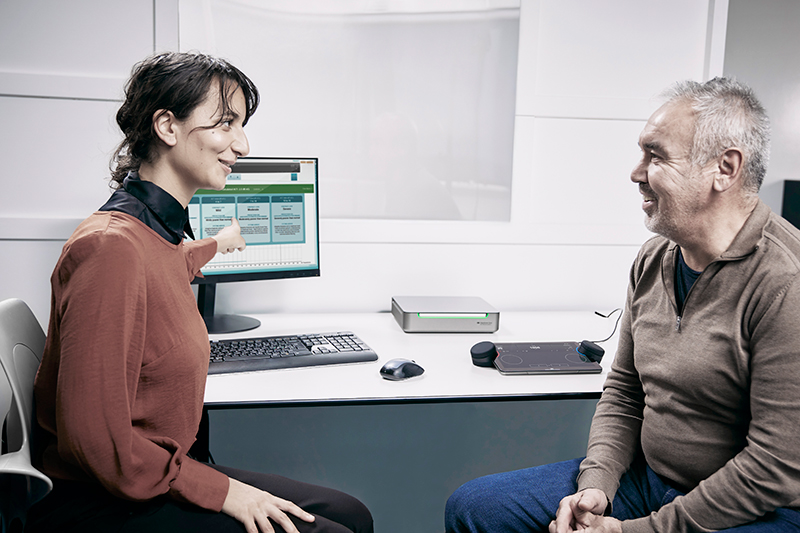
4. Gain modern functionality without sacrificing familiar workflows
If you value the tactile feedback of traditional audiometers, moving to a PC-based setup may feel like a shift.
However, solutions such as Equinox Evo paired with the Touch Keyboard offer a balanced approach – combining the familiarity of physical controls with the advantages of a software-based system.
This allows you to transition at your own pace while gaining access to a broader range of features and efficiencies.
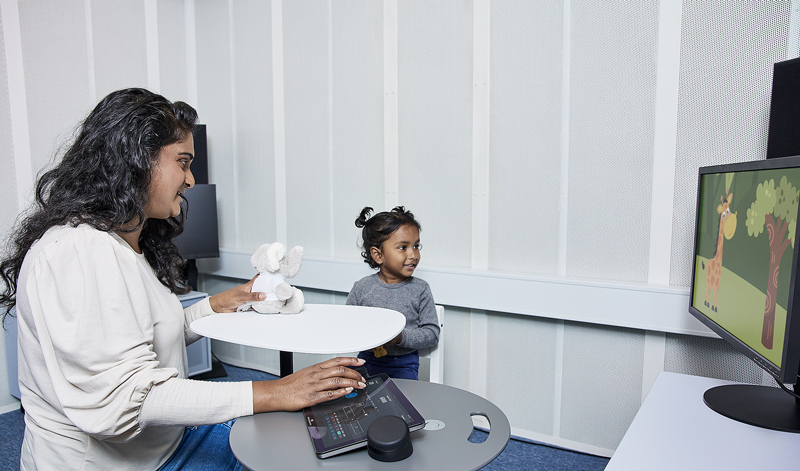
5. Enhance the patient experience
An audiogram is only one part of the story patients need to understand. Effective counseling often requires you to combine multiple data points, compare historical results, and explain how findings relate to real-world hearing challenges.
PC-based audiometers make this easier by bringing multiple test results together within a single patient session. Rather than navigating between devices or reports, you can review audiometry, speech testing, and other relevant information in one place, creating a more visual and engaging counseling experience.

“When they can see it visually rather than just being told verbally, it is much easier for patients to follow along and remember what they have been shown.” – Rezarta Bardhi, Audiologist and Product Manager at Interacoustics.
Building a clinic for today – and tomorrow
The question is no longer whether standalone audiometers can measure hearing accurately. They can. The bigger question is how efficiently that information can move through the rest of your clinical workflow.
As clinics look to reduce administrative burden, improve consistency, integrate with fitting and reporting systems, and adopt new clinical tools, many are finding that a PC-based platform provides advantages that extend far beyond the hearing test itself.
Solutions like Equinox Evo are designed around this broader workflow, helping clinics connect testing, counseling, reporting, and future clinical developments within a single system. When evaluating your next audiometer, it's worth considering not only how you measure hearing today, but how you want your clinic to operate tomorrow.
Considering a new audiometer for your practice? To learn more, browse our full range of audiometers or contact your local distributor.